Why a Tune-Up in Delhi Costs Less Than Your Oil Change: Inside the Service Model America Forgot
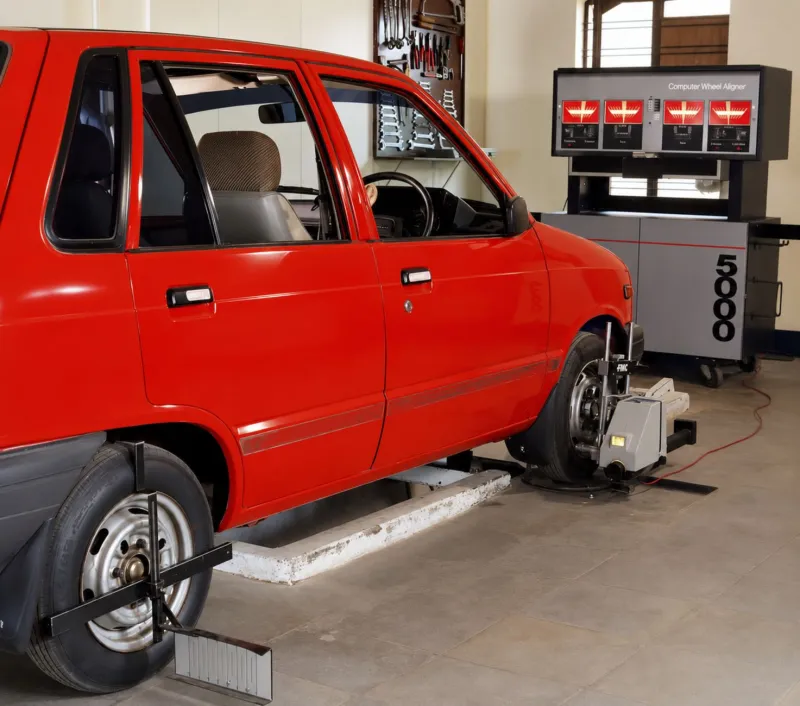
Picture this: you pull into a service center, get your car checked over, oil swapped, filters replaced, brakes inspected — and the total comes to less than what you'd spend on lunch and a movie. For most American drivers, that sounds like fiction. For millions of Maruti Suzuki owners in India, it's just Tuesday.
The Numbers That Don't Seem Real
Let's start with the sticker shock, because that's where the story gets interesting. A routine service visit at an authorized Maruti Suzuki workshop in India — the kind of visit covering engine oil, an oil filter, a general inspection, and a wash — typically lands somewhere between ₹2,500 and ₹4,500. Convert that, and you're looking at roughly $30 to $55.
Now compare that to the American experience. J.D. Power and AAA have both tracked the steady climb of US maintenance costs, and the average dealership oil change alone now runs $75 to $125. Add a tire rotation, a brake check, maybe a cabin filter, and a $200 invoice before lunch isn't unusual. Annual maintenance for a typical American car? AAA pegs it north of $1,100 when you include wear items.
That's not a rounding error. That's a 4x to 6x gap on the most basic, most predictable expense of car ownership.
Flat Rates, No Surprises
So how does Maruti do it? The first pillar is the flat-rate service menu. Walk into any Maruti Suzuki workshop in India and there's a published price list — Service Type A, Type B, and so on — with labor costs fixed and printed. You know before the wrench turns what the visit will cost.
Contrast that with the American dealership model, where labor is billed by the clock against a flat-rate guide, sure, but the hourly rate itself can swing wildly. A dealer in suburban Dallas might charge $150 an hour; one in Manhattan, pushing $200. And since most modern American vehicles require proprietary diagnostic tools and dealer-trained technicians for even modest jobs, you don't always have the option to shop around.
Maruti's system works because it doesn't need to gatekeep. The cars are simple enough that independent mechanics can service them with generic tools, which keeps the authorized network honest on price. Competition does the regulating.
A Mechanic on Every Corner
Here's the part that really separates the two markets: density. India has an estimated 350,000+ independent garages alongside Maruti's own network of over 4,000 authorized service points. In practical terms, most Indian drivers are never more than a few kilometers from someone who can fix their Swift or WagonR.
The US has plenty of skilled mechanics too — but the ecosystem is structured differently. Fewer shops per capita in many metros, longer waits for appointments, and a parts landscape where a single sensor can cost $300 because it's proprietary and dealer-only. When your car requires a scan tool that costs $15,000 to even read a fault code, the neighborhood garage can't compete.
Maruti's vehicles, by design, don't create that dependency. A crankshaft position sensor on a Swift is cheap, widely available, and installable with hand tools. That's not an accident — it's a philosophy.
Simplicity Is the Real Discount
And that's the through-line: the cheap service isn't primarily a labor-cost story. Yes, wages in India are lower — but that's only part of the equation. The bigger factor is that Maruti builds cars that are cheap to maintain by design.
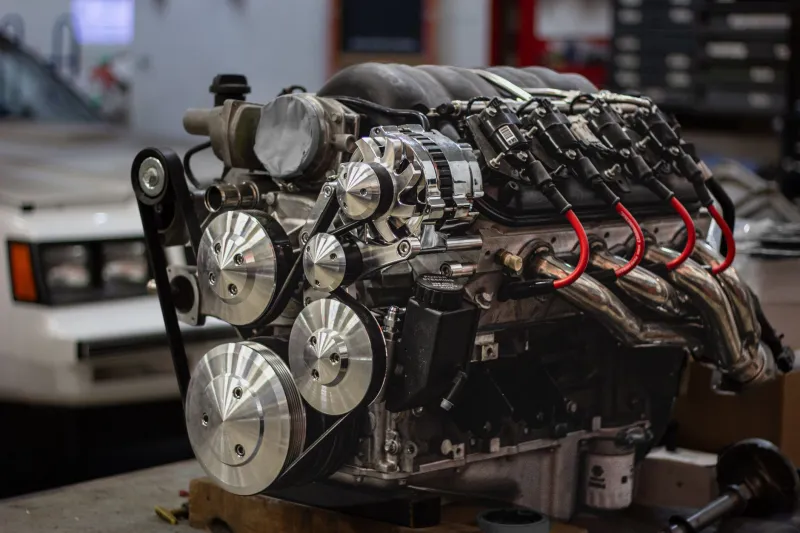
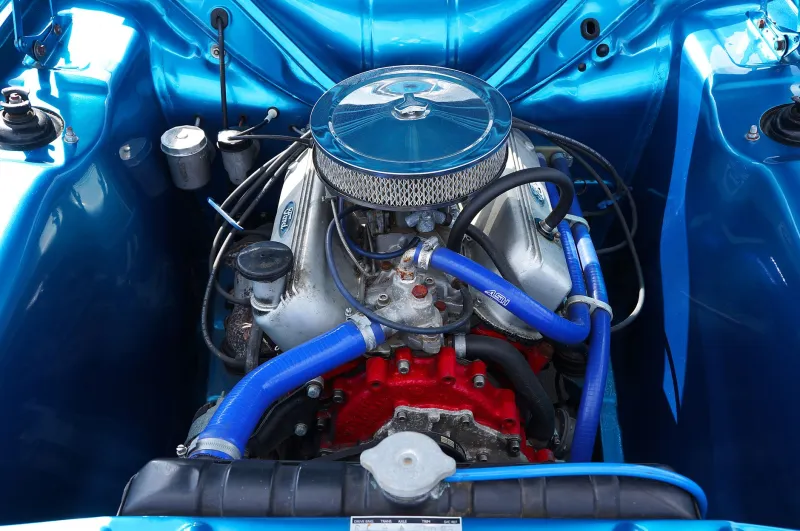
Standardized parts across model lines means a shop stocks fewer SKUs. Naturally aspirated engines without turbochargers or complex timing systems mean fewer failure points. Mechanical parking brakes, conventional suspension layouts, and analog-friendly electronics mean a technician doesn't need a software license to change your brake pads.
Every one of those choices trades a little bit of showroom wow-factor for decades of low running costs. American cars have trended the opposite direction — more integrated systems, more software, more dealer-dependency — and the service bay is where that bill comes due.
Could It Work Here?
The honest answer: not wholesale. Labor costs, insurance, and regulations make a $30 full-service visit structurally impossible in the US market. But the principles travel.
American buyers shopping for their next car could ask different questions at the dealership. Not just "what's the monthly payment?" but "what does the 60,000-mile service cost?" and "can my local independent shop work on this?" A few minutes with a model's maintenance schedule and parts pricing tells you more about long-term value than any horsepower figure.
Some manufacturers are already nudging this direction — right-to-repair legislation has forced more diagnostic openness, and brands like Toyota and Honda have long benefited from parts commonality that keeps independent shop bills reasonable.
The Takeaway
Maruti Suzuki's service network isn't cheap because India is cheap. It's cheap because the company made a deliberate bet decades ago: build simple, standardize everything, and let an army of neighborhood mechanics share the maintenance load. The result is a car ownership experience where the service bill is the least stressful part of driving.
American drivers paying $200 for what amounts to an oil change and a once-over might reasonably ask whether the industry has the priorities backwards. Because in Delhi, the answer to that question arrives printed on a flat-rate menu — and it costs about thirty bucks.