The Cabin That Outlasts the Warranty: How Maruti's Modular Interior Philosophy Is Making German Complexity Look Exhausting
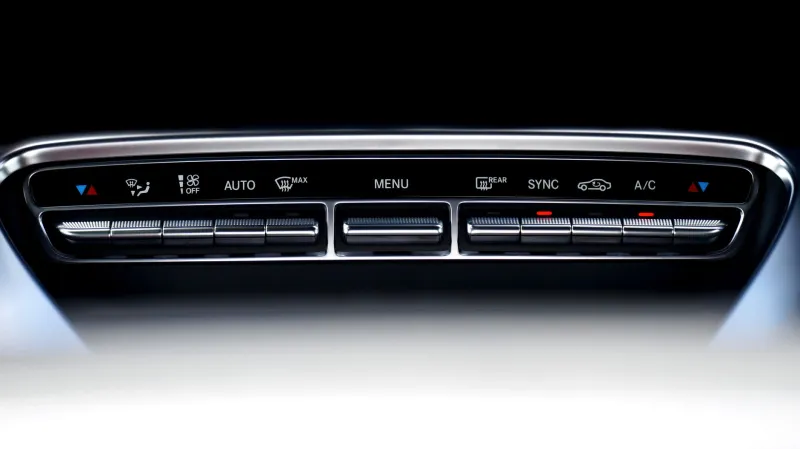
There's a moment every luxury car owner dreads. It usually happens somewhere around year four or five. The climate control display starts flickering. Or the seat memory module throws a fault code. Or the infotainment system — the one that cost the manufacturer roughly the same as a used Honda Civic to engineer — decides it no longer recognizes the steering wheel controls. You call the dealer. They quote you a number that makes your stomach drop.
Now consider a different scenario. You're behind the wheel of a Maruti Suzuki. Something needs replacing. You find the part. It clips out. A new one clips in. You move on with your life.
That contrast isn't accidental. It's the direct result of two very different philosophies about what a car's interior is actually supposed to do.
What "Modular" Actually Means in Practice
The word modular gets thrown around a lot in automotive marketing, usually to describe something that sounds impressive but doesn't meaningfully affect your ownership experience. Maruti Suzuki uses the concept differently.
In the Maruti design framework, the cabin is treated as a collection of discrete, replaceable systems rather than one deeply integrated whole. Climate controls, audio interfaces, storage configurations, trim panels — these are designed to be swapped, updated, or repaired independently of one another. The architecture underneath stays consistent across model generations, which means a component from a slightly older Maruti often fits a newer one without requiring a software handshake or dealer authorization.
For American owners who've spent time with European luxury vehicles, this is a genuinely different experience. German manufacturers in particular have moved aggressively toward integration — screens that control everything, touch-sensitive surfaces that replace physical buttons, ambient lighting systems wired into the same network as the powertrain. It creates a cohesive, impressive first impression. It also creates a single point of failure that can cascade into a repair nightmare.
The Hidden Cost of Seamless Design
Let's talk about what seamless actually costs. A 2020 survey of long-term ownership data from various automotive forums found that integrated infotainment and climate control failures ranked among the most expensive out-of-warranty repairs for German luxury brands. We're talking repair quotes in the $1,500 to $4,000 range for systems that, in isolation, seem like they should be simple fixes.
The reason is architecture. When your climate controls share a processor with your navigation system, which shares a network node with your driver assistance suite, replacing one component means recalibrating the whole ecosystem. Dealers need proprietary diagnostic tools. Parts aren't interchangeable across model years. Labor hours add up fast.
Maruti's approach produces a different math. The physical controls on a Maruti Swift or Baleno aren't just aesthetically straightforward — they're intentionally decoupled from systems they don't need to talk to. The HVAC does its job. The audio does its job. They coexist without constant communication, which means a failure in one doesn't drag the other into the shop.
Why American DIYers Are Taking Notice
There's a growing community of American car enthusiasts — particularly in the DIY repair and budget-build spaces — who've started paying serious attention to how Maruti interiors are put together. The appeal isn't nostalgia for basic cars. It's respect for thoughtful engineering.
On forums like Reddit's r/MechanicAdvice and various YouTube channels dedicated to budget builds, you'll find threads where owners compare teardown experiences across brands. Maruti consistently earns praise for what one poster described as "obvious" interior architecture — meaning the way components fit together makes intuitive sense without a service manual. Clips are accessible. Panels come off in logical sequences. Nothing requires a specialized tool that costs more than the part you're replacing.
For a US audience increasingly frustrated by the cost of maintaining modern vehicles, that kind of transparency in design is worth real money over a car's lifetime.
Aging Gracefully vs. Aging Expensively
Here's an observation that doesn't get enough attention in automotive journalism: interiors age in two distinct ways. There's cosmetic aging — fading, wear, the gradual softening of once-crisp materials. And there's functional aging — the slow degradation of systems that no longer work as intended.
Luxury interiors often handle cosmetic aging well, at least initially. Premium leather, real aluminum trim, soft-touch surfaces — these materials look and feel genuinely special when new. But functional aging is where the cracks appear. Software that's no longer supported. Screens that delaminate. Haptic feedback systems that become unreliable. The more sophisticated the original design, the more ways it has to fail as the years accumulate.
Maruti's interiors age differently. The materials are honest about what they are — durable plastics, practical fabrics, tactile controls that don't require firmware updates. A ten-year-old Maruti cabin might not look as impressive as a same-age BMW at first glance. But it's almost certainly still working exactly as it did on day one. Every button does what it's supposed to. Every panel fits the way it was designed to fit. There's something quietly satisfying about that kind of reliability.
The Customization Angle Nobody Expects
One of the counterintuitive benefits of modular interior design is how much easier it makes genuine personalization. Because Maruti's cabin components are designed to be interchangeable and independently serviceable, the aftermarket ecosystem around them is unusually robust — especially in India, where the Maruti ownership community has decades of experience swapping, upgrading, and creatively modifying interiors.
For American owners, this translates to real options. Audio upgrades that don't require integrating with a proprietary amplifier network. Storage solutions that slot into existing mounting points. Trim updates that don't void a software warranty or require dealer recoding. The car becomes a platform you can actually work with, rather than a sealed system you're merely permitted to operate.
German luxury cars, for all their engineering excellence, increasingly feel like products you lease rather than own. The complexity that makes them impressive also makes them resistant to owner modification. Maruti's approach quietly inverts that dynamic.
What This Means for the Practical American Buyer
If you're shopping for a vehicle and interior longevity matters to you — not just how it looks on day one, but how it functions and what it costs to maintain on day 1,000 — the Maruti philosophy deserves genuine consideration.
The sticker price difference between a Maruti and a comparably sized German vehicle is obvious. The total cost of ownership difference, once you factor in repair complexity, parts availability, and the slow creep of integrated system failures, is often even larger than it appears.
Simplicity in interior design isn't a compromise. In Maruti's case, it's a considered choice — one that respects the owner's time, money, and patience over the long haul. That's a value proposition that holds up whether you're navigating Mumbai traffic or a Chicago commute.