Two Weeks for an Oil Change? Inside the Service Culture Gap That Keeps American Drivers Waiting
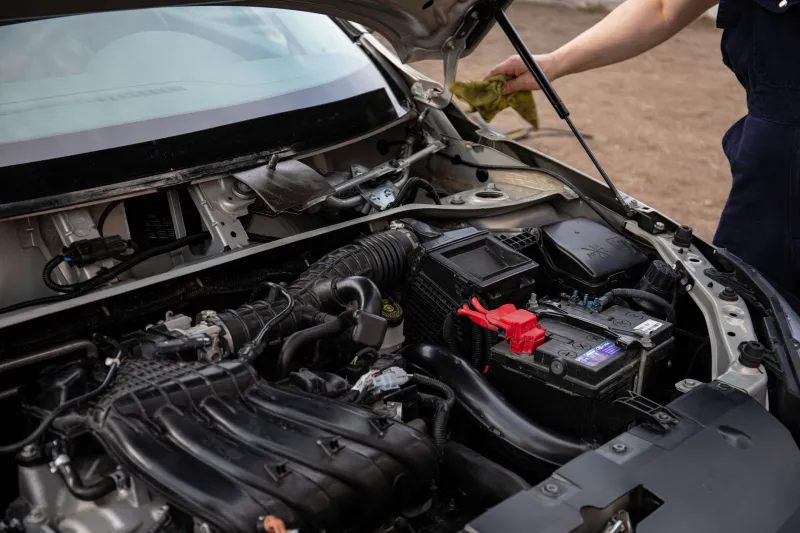
Picture this: your car needs a brake job. In most American cities, that means calling the dealer, getting bounced to a service advisor, being offered the first available slot — somewhere around the second week of never — and then paying a loaner-car-adjacent invoice for the privilege.
Now picture this instead: you walk your car two blocks down the street, a technician looks at it the same morning, and you're back on the road before lunch, having paid less than the cost of a decent dinner out.
That second scenario isn't a fantasy. It's just a normal Tuesday for Maruti Suzuki owners in India.
The Walking-Distance Workshop
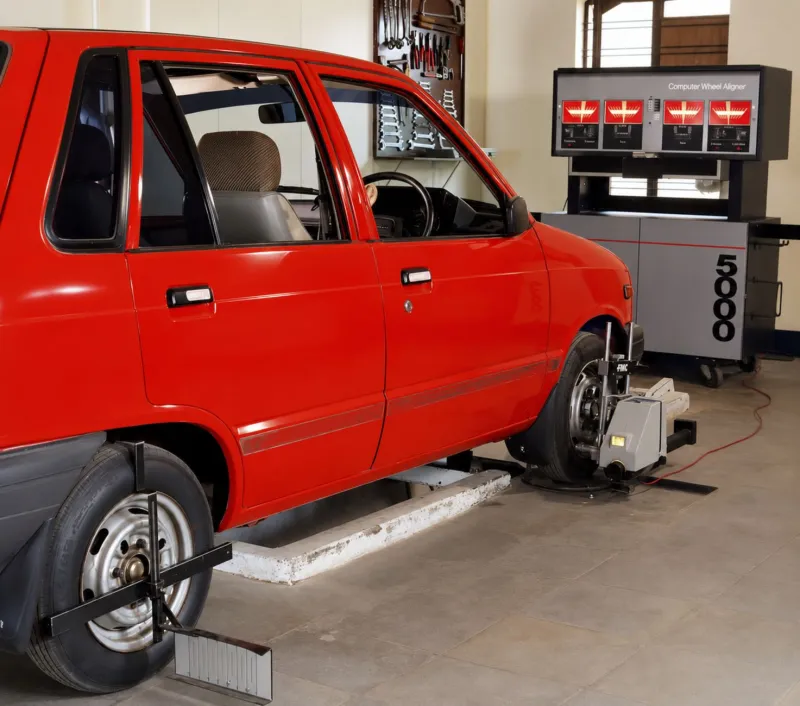
Maruti Suzuki doesn't just sell more cars in India than anyone else — it services them through one of the densest repair networks on the planet. We're talking thousands of authorized Maruti service points, from full dealership workshops to compact neighborhood setups, stitched into cities, suburbs, and towns where the nearest American-style dealership might be a forty-minute drive away.
The result is a completely different relationship between owner and machine. Car trouble becomes an errand, not a project. You don't schedule your life around your car's maintenance — you fold maintenance into a commute you were making anyway.
Compare that to the typical US dealership service department, where capacity is deliberately constrained, appointments are rationed, and the whole system is optimized around maximizing revenue per service bay rather than minimizing your inconvenience.
Why the American Model Gets Away With It
Here's the uncomfortable question: why do American drivers tolerate this?
Part of the answer is structural. US dealerships operate under franchise laws that give them a protected monopoly on new-car sales and, in many markets, a near-monopoly on warranty work. There's no competitive pressure to be convenient when the alternative is an independent shop your warranty paperwork quietly warns you about.
Part of it is labor economics. A certified technician in the US costs a multiple of what one costs in India, so dealerships staff lean, book heavy, and let the backlog do the rationing for them.
And part of it, honestly, is habit. Americans have been trained to treat service as an event — an appointment, a waiting room, a complimentary coffee, an upsell conversation about flushes you don't need. The inconvenience has been normalized so thoroughly that most drivers never stop to ask whether it should exist at all.
The Economics of Being Everywhere
The Maruti model flips the math. Instead of a few large service palaces, the network is a swarm of small, standardized, high-turnover workshops. Lower overhead per location, faster throughput per bay, and parts that are cheap, widely available, and shared across an enormous portion of the fleet.
That last point matters more than people realize. When a handful of engines and platforms cover the majority of cars on the road, any trained technician can fix almost anything, quickly, without waiting on a special-order part from a regional distribution center. Complexity is expensive not just at purchase, but every single time something needs attention.
The decentralized model also breeds competition. When there are three service options within a kilometer, prices stay honest and wait times stay short. Monopoly service departments have no such pressure — which is exactly why your "quick" oil change comes with a ninety-minute wait and a checklist of recommended add-ons.
What Walk-In Service Actually Feels Like
Ask anyone who's owned a Maruti in India about service and you'll rarely hear about scheduling. You'll hear about proximity. The workshop near the office. The one next to the market. Dropping the car off on the way somewhere and picking it up on the way back.
For American readers, the closest analogue is probably a Jiffy Lube or a tire shop — fast, no appointment needed, everywhere. But the Indian model applies that accessibility to actual repairs, not just fluid top-offs. Full servicing, body work, electrical diagnostics — all within walking distance, all same-day for most jobs.
The Takeaway for US Drivers
Nobody's suggesting you can rebuild America's service infrastructure overnight. But the Maruti example exposes a choice the US market keeps making without acknowledging it: we've accepted consolidation, appointment rationing, and dealership dependence as the price of modern car ownership. India's largest automaker proves that the opposite approach — thousands of small, fast, cheap, accessible workshops — scales, profits, and keeps customers loyal for decades.
So the next time a service advisor offers you an opening ten days out for a job that takes forty minutes, it's worth asking who that scheduling system was built to serve. Because somewhere in Delhi, a guy just walked his Swift in, got it fixed, and walked home. He never made an appointment in his life.