The Owner's Playbook: Five Rituals That Keep Cars Running for Decades

Photo: Trevor Rickard, CC BY-SA 2.0, via Wikimedia Commons
There's a certain kind of Maruti owner in India — you'll find them in every city — whose 1998 Zen still runs like it rolled off the line last week. No garage. No fancy tools. Just habits, practiced with religious consistency.
The interesting part? Almost none of these habits are Maruti-specific. They're universal maintenance discipline that happens to be embedded in Indian car culture because, there, a car is an asset you keep for decades, not a lease you flip in three years. American drivers of any brand — Toyota, Ford, Subaru, whatever's in your driveway — can steal every single one of these.
1. The Short Warm-Up, Done Right
The old "ten-minute idle warm-up" advice is a myth — modern fuel-injected engines don't need it. But Indian owners practice something smarter: start the car, wait maybe 30 seconds, then drive gently for the first few minutes. Light load, low RPM, no hard acceleration until the temperature needle moves.
This is exactly what lubrication engineers recommend. Most engine wear happens in the first two minutes after a cold start, when oil hasn't fully circulated. Babying the engine through that window costs you nothing and saves real metal.
2. Fluid Checks on a Schedule, Not on a Symptom
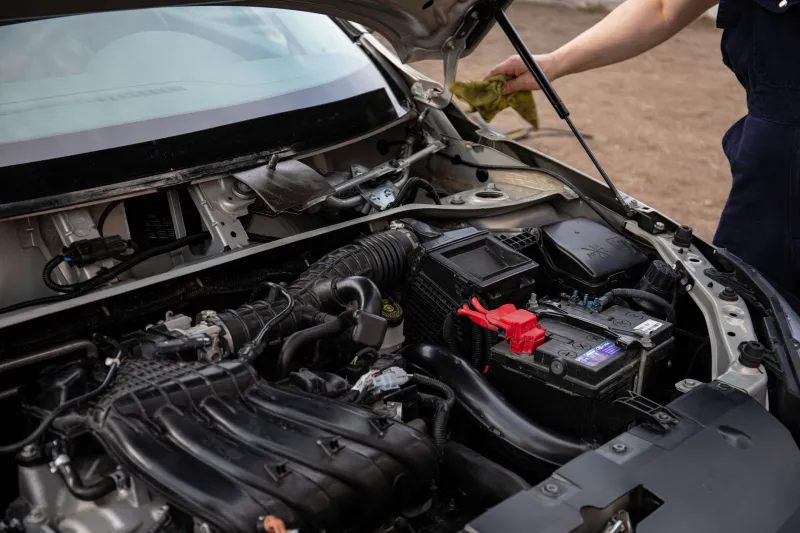
American drivers tend to discover low coolant or dirty brake fluid when something breaks. Long-term Indian owners check fluids weekly — it takes ninety seconds at a fuel stop, where attendants traditionally handle it anyway.
Brake fluid deserves special mention. It's hygroscopic, meaning it absorbs moisture and quietly loses effectiveness. Most US drivers never touch it between 100,000-mile intervals. Flushing it every two to three years is one of the cheapest longevity moves there is.
3. The Preventive Part Swap
Here's the mindset shift: Indian owners replace wear items before they fail, on a calendar, not a crisis. Belts, hoses, bushings — swapped at sensible intervals regardless of whether they're squeaking yet.
"The cheapest repair is the one you do on your own schedule," as the saying goes in every Indian service lane. A timing belt replaced proactively costs a fraction of the engine it destroys when it snaps. American ownership culture, built around warranty periods and trade-ins, often skips this entirely — which is why so many used cars become money pits right after the warranty expires.
4. Tire Discipline
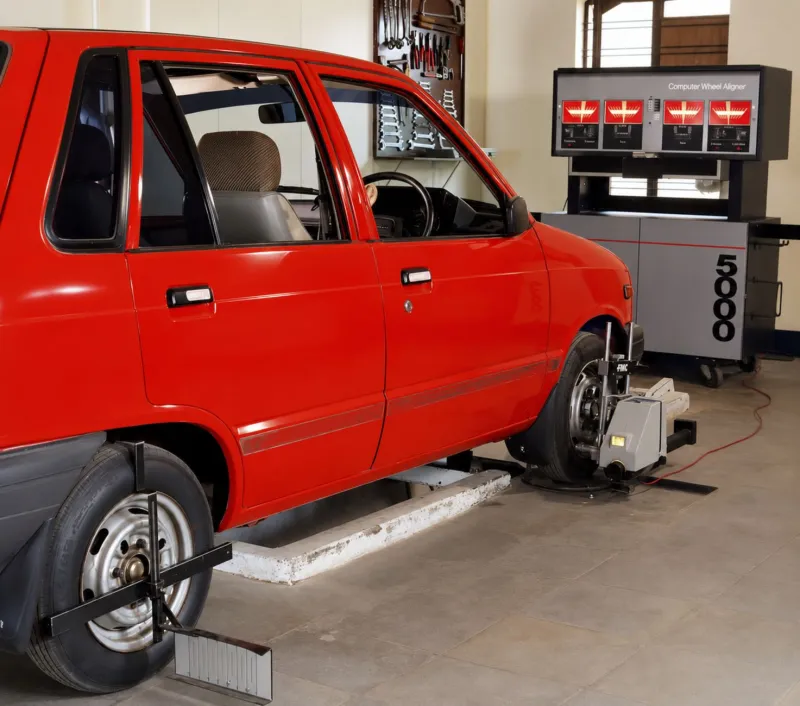
Rotation every 5,000 miles, pressure checked every couple of weeks, alignment whenever the car pulls. It sounds basic because it is — and yet most American drivers check tire pressure only when the dashboard warning light shames them into it.
Underinflated tires wear unevenly, drag down fuel economy, and stress suspension components. Long-life cars almost always belong to long-life-tire people. The correlation isn't subtle.
5. Garaging and Covering — Even a Cheap Cover Counts
Not everyone in India has a garage. What owners do have is discipline about sun and dust: covered parking, windshield sunshades, car covers bought for a few hundred rupees. UV exposure degrades rubber seals, paint, and interior plastics faster than almost anything else.
If you park outside in Phoenix or Houston, a $40 car cover might add years to your seals, trim, and paint — and thousands to your resale value.
The Common Thread
Notice what's missing from this list: expensive products, dealer visits, exotic tools. These habits cost time, not money — roughly fifteen minutes a week. What they require is a mindset shift from "fix it when it breaks" to "never let it break."
That's the real export from India's car culture. Not a vehicle, but an operating system for ownership. Install it on whatever's currently in your garage.