Twenty-Five Years or Bust: The Fight to Put a Maruti Swift on American Roads
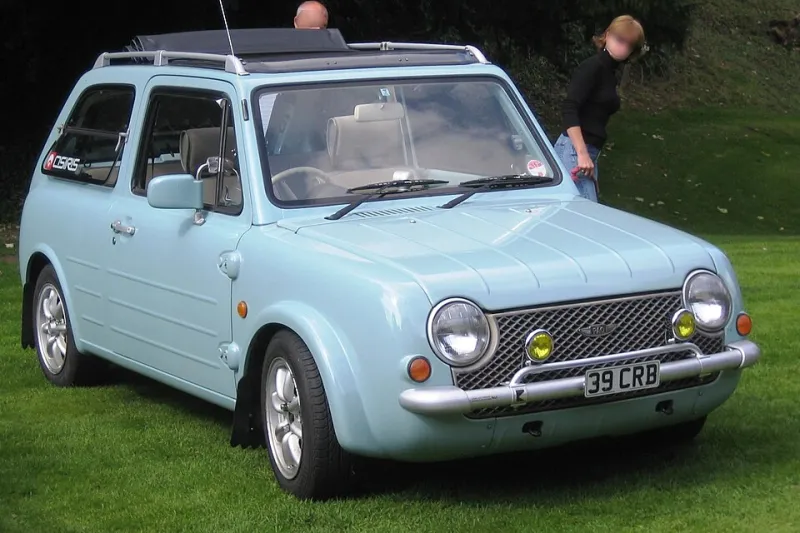
Photo: Charles01, CC BY-SA 3.0, via Wikimedia Commons
Let's be upfront about where this article stands: the 25-year import rule is an outdated piece of protectionism dressed up as safety policy, and the Americans jumping through its hoops deserve better. Now let's talk about what the hoops actually look like.
The Rule Itself
Under the Imported Vehicle Safety Compliance Act of 1988, a vehicle not originally sold in the US cannot be legally imported until it's 25 years old. The rationale, back then, was that foreign-market cars didn't meet American safety and emissions standards, and letting them in freely would undercut domestic compliance requirements.
The problem? That logic made more sense in 1988 than it does in 2025. Modern global vehicles — including Indian-market Marutis — meet UN regulations that overlap substantially with US standards. A 2010 Swift with airbags and ABS is, by any honest measure, as safe as plenty of cars sold stateside that year. The rule isn't screening out death traps. It's screening out cars with the wrong badge.
What the Loophole Hunters Actually Do
The legal pathway is narrow but real. Buy a 25-year-old Maruti — say, a 2000-era Zen or an early Baleno — arrange overseas shipping, pay customs duties (2.5% for cars), clear it through CBP with proper documentation including the foreign title and EPA/DOT exemption forms, and register it in your state. States vary wildly: some title gray imports without drama, others treat them like alien artifacts.
The costs add up fast. Between purchase, ocean freight, port fees, duties, and customs brokerage, plan on $3,000–$5,000 in landed costs before you've touched the car — for a vehicle that cost a few thousand dollars new. This is not a money-saving proposition. It's a love proposition.
The People Doing It
They exist. A retired engineer in Michigan imported a first-generation Maruti 800 two years ago — the car that put India on wheels — and now shows it at local Japanese and Korean classic meets, where it reliably draws the biggest crowds. A Texas enthusiast has been counting down to the eligibility date on a Swift he first drove as a student in Bangalore. There's a small but active online community tracking which models cross the 25-year threshold each calendar year, the way import fans once tracked Skylines and JDM Civics.
The Skyline comparison is instructive. In the 1990s and 2000s, the 25-year rule turned Japanese performance icons into legal legends — cars Americans could dream about, then finally own. The same slow-motion pipeline is now delivering Marutis, and the enthusiast base is growing accordingly.
Why It Should Change
Here's our position, plainly stated: a modernized import framework — one that allows vehicles meeting equivalent international safety standards, or a rolling 15-year rule like Canada's — would give American enthusiasts access to cars like the Swift Sport at fair prices, inject real competition into the budget segment, and cost the domestic market nothing it isn't already losing to crossover bloat.
The current system doesn't protect American consumers. It protects a market gap. And every year it stays on the books, another wave of cars Americans genuinely want ages into eligibility while they wait in line.
The dreamers importing old Marutis today aren't breaking the system. They're proving the demand the system pretends doesn't exist.